



Flat Screen TV Give-A-Way: FEBRUARY ONLY!

February 4th, 2010

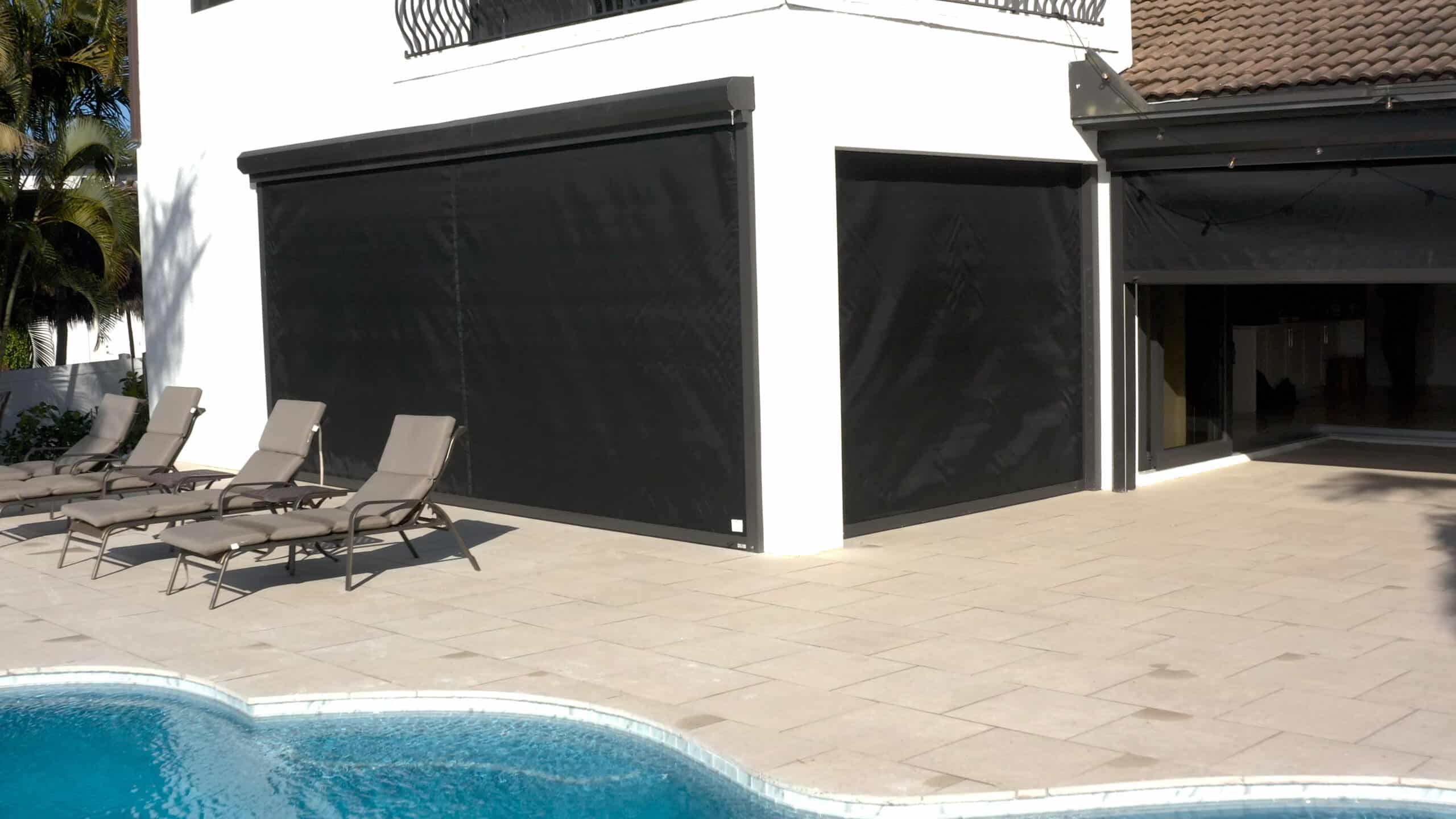
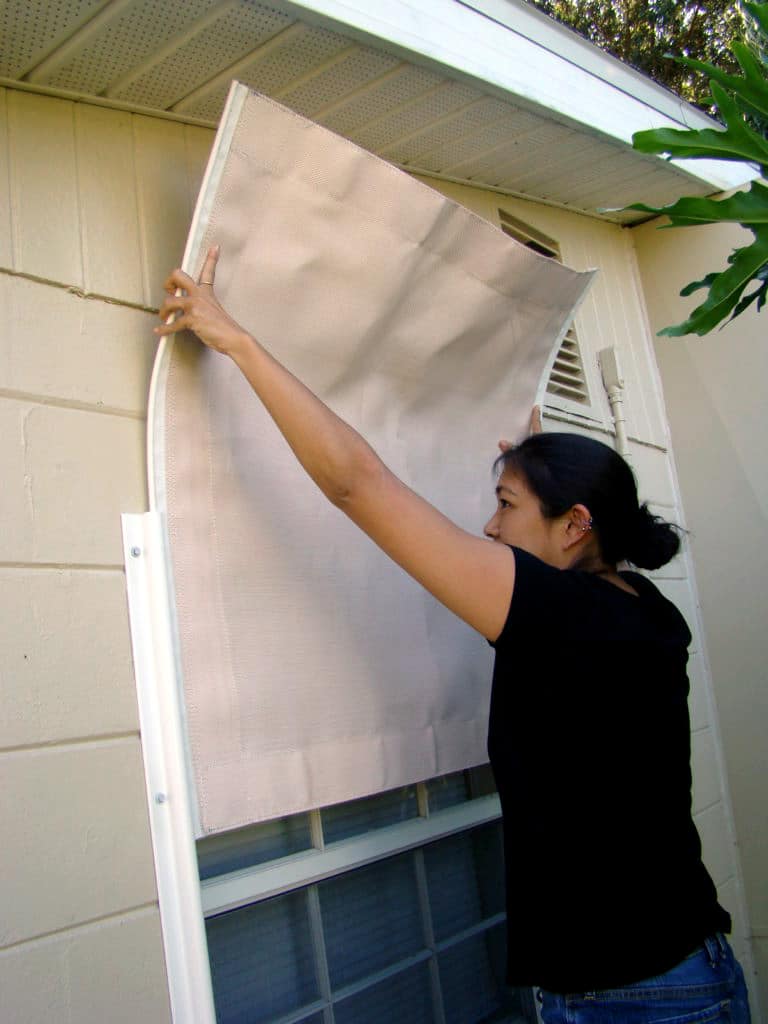
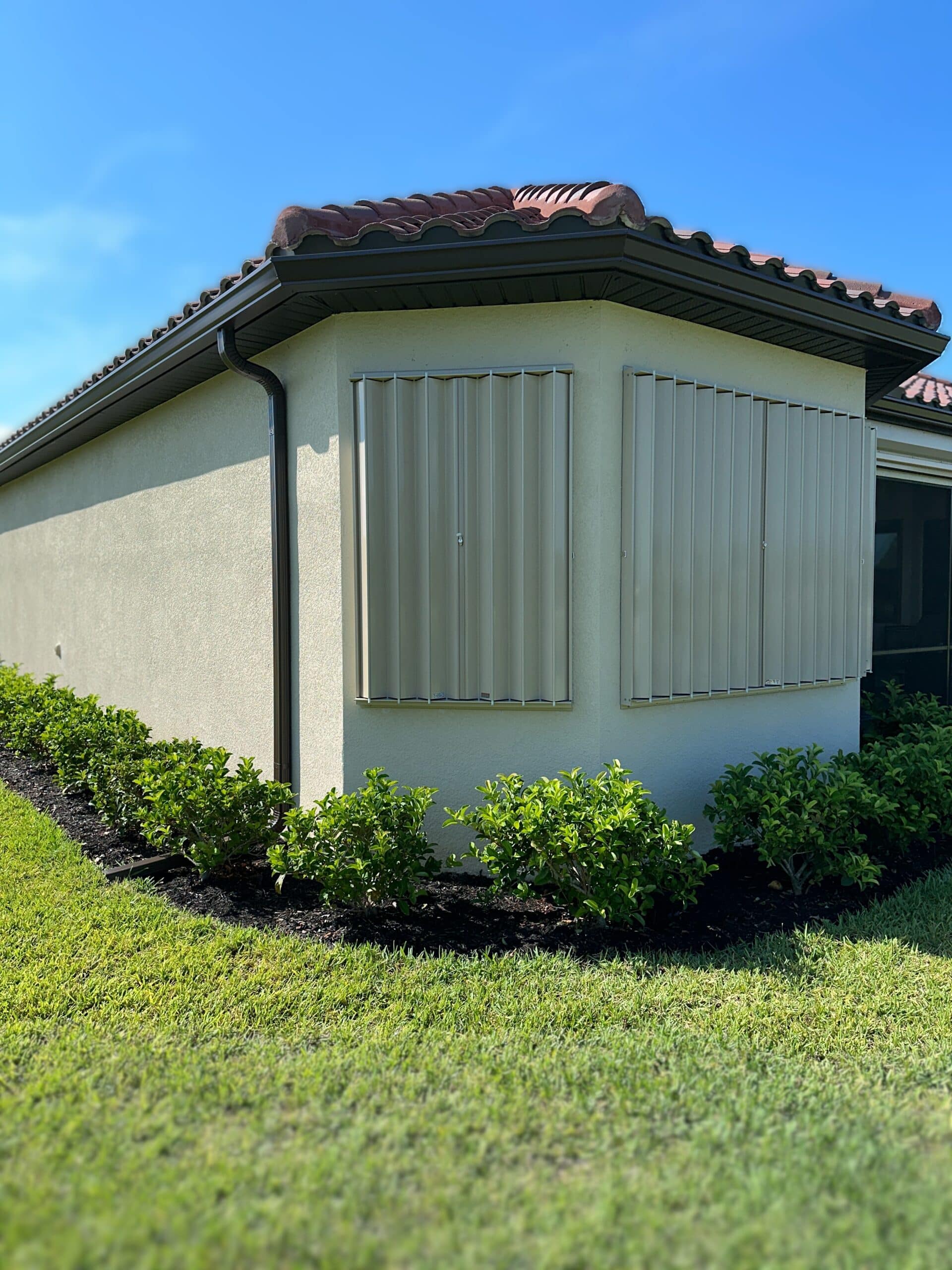
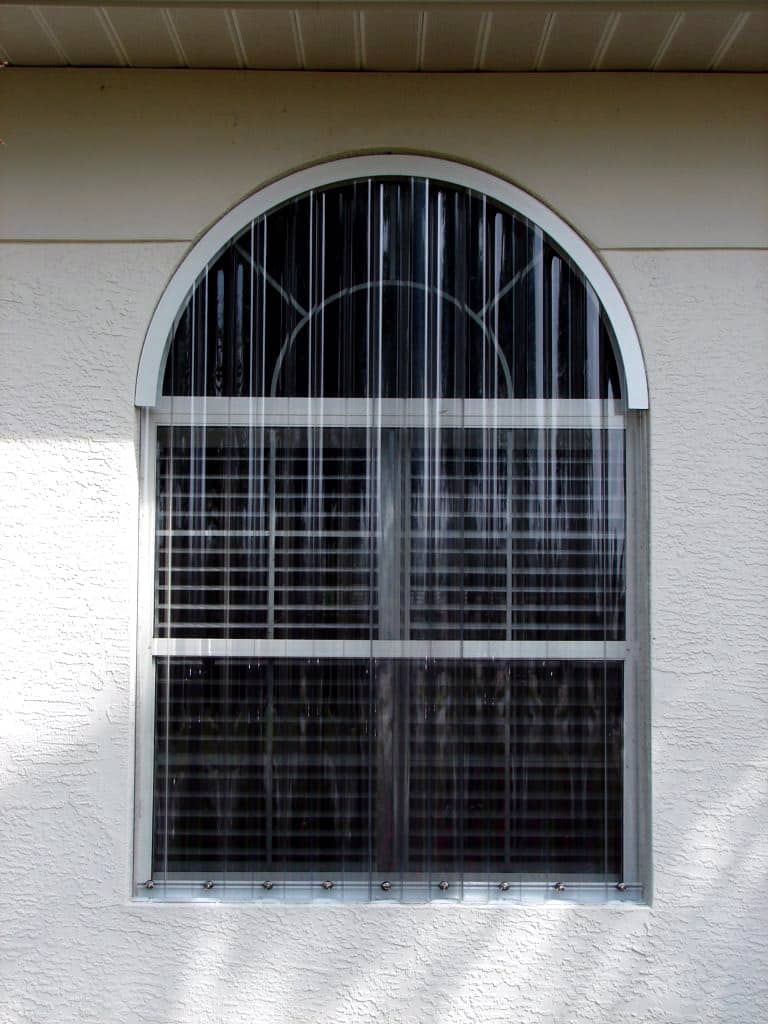
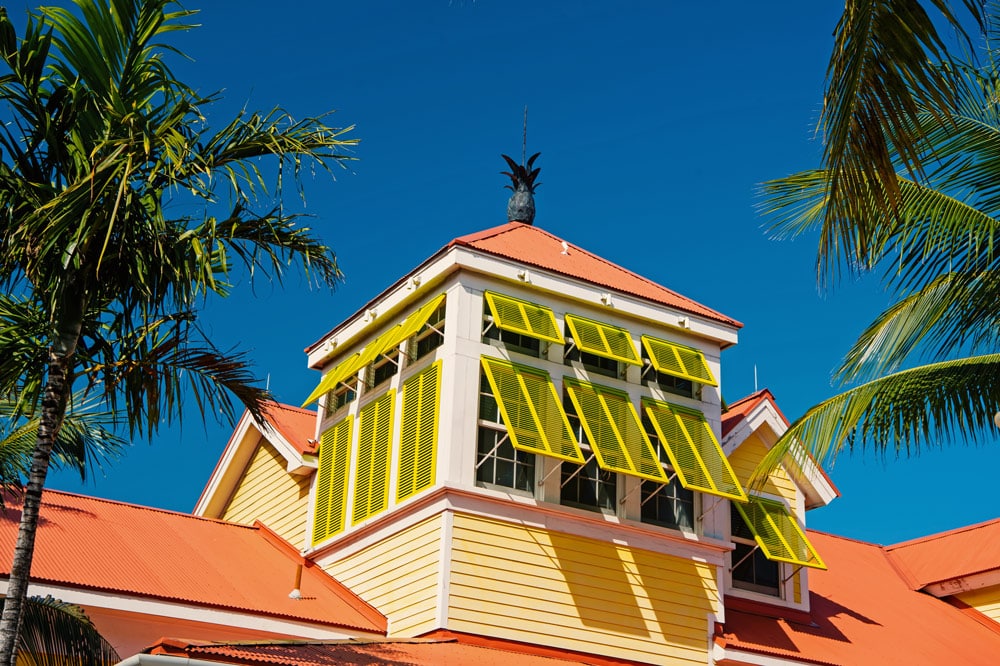
HD TVInvest in hurricane protection during the month of February and automatically qualify for a free 32 inch flat screen TV. Also receive up to $500 off your purchase of shutters and Windows.

Instructions to win:

  1. Click here and fill out our registration form
  2. Get a FREE In-Home Consultation
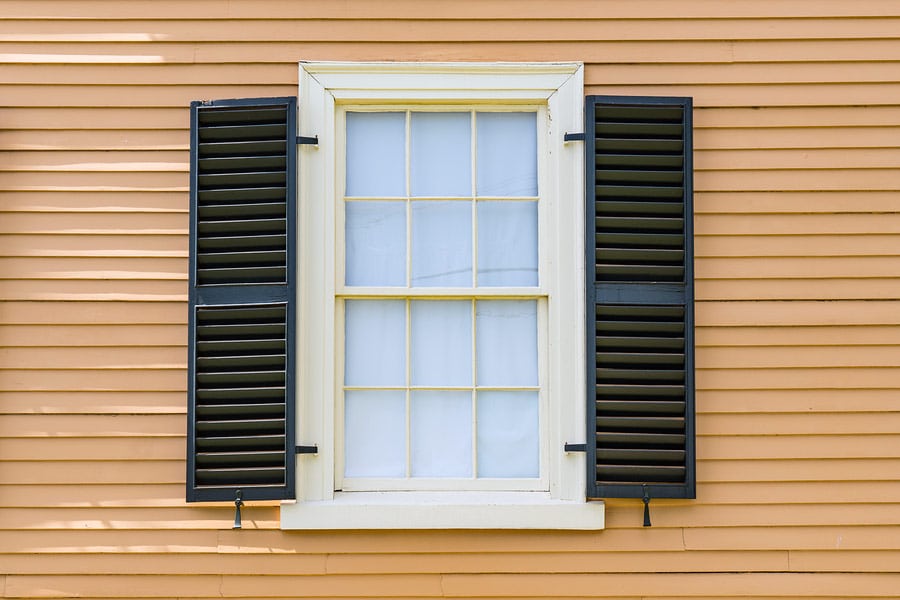
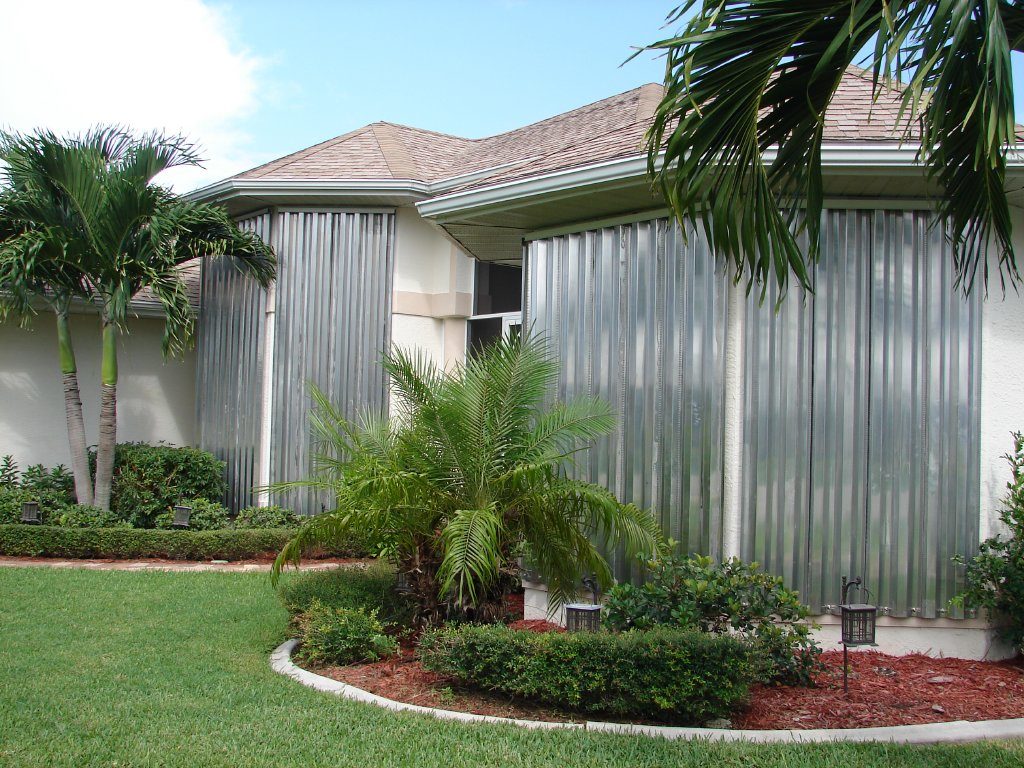
  3. Choose from the complete line of hurricane protection products Storm Smart carries
  4. Receive up to $500 discount on your Hurricane Protection
  5. Qualify to win a 32 inch flat screen TV

It’s that simple.

Hurricane season is just around the corner.  Prepare your home with any one of our quality hurricane products now.

Don’t find yourself stuck in line to buy plywood when a hurricane’s coming.  Buy your hurricane protection now and have it installed before the hurricane season starts. Now is when you can take your time and by the logical hurricane protection product for all your homes openings.

Get peace of mind when buying from a company you can count on.

Hurricane Damage

February 8th, 2010

Most of us who live in wind or hurricane prone parts of the country know that there are 5 categories for the strength of a hurricane. What a lot of us don’t know is what the wind speeds for each category is. Below you’ll find the wind speeds associated with each category as well as a brief description of conditions that occur in each category. This is known as the Saffir-Simpson Scale and assigns the 5 categories based on both wind speed and damage potential.

Tropical Storm – 39 – 74 mph.

Category 1 – Winds of 74 – 95 mph.

Storm Surge 4-5 feet above normal. Damage to signs, unanchored homes, shrubbery and trees. Minor coastal flooding.

Category 2 – Winds of 96 – 110 mph.

Storm surge 6 – 8 feet above normal. Some trees blow down. Damage to some doors, windows, and roofs. Flooding to piers. Considerable damage to mobile homes

Category 3 – Winds of 111 – 130 mph.

Some structural damage to residences and utility buildings. Mobile homes destroyed. Flooding near coast destroys small structures. Flooding may come well inland

Category 4 – Winds of 131 – 155 mph.

Some complete roof structure and curtainwall failure. Major beach area erosion. Inland flooding.
Category 5 – Winds of 156 and up.

Major damage to many structures. Buildings and roofs blown away. Major and severe flooding events. Massive evacuations of residences could be required.

References: www.nhc.noaa.gov/HAW2/english/basics/saffir_simpson.shtml

Hurricane Names For The 2010 Season

February 5th, 2010

We hope that you’ll stay tuned to our website for not only your hurricane protection needs, but for useful hurricane preparedness and information tips as well. As we all know, the 2010 hurricane season is approaching. Initial forecasts are telling us that this is going to be a busy one. Here are the 2010 names of the hurricanes that could be heading toward Florida soon:
Alex
Bonnie
Colin
Danielle
Earl
Fiona
Gaston
Hermine
Igor
Julia
Karl
Lisa
Matthew
Nicole
Otto
Paula
Richard
Shary
Tomas
Virginie
Walter

Be safe and be smart!

Storm Surge

February 2nd, 2010

It’s important to understand how storm surge can affect your hurricane preparedness plan.  This short article will help you find the facts if you live in South West Florida.
Surges are generally a very quick occurrence; flowing in and then out with destructive force.  The speed at which they happen is part of the danger.  The surge is caused, in part, by winds putting pressure on the surface of the water in the central area of the hurricane. This causes the water to “bulge” around the edges of the hurricane.  This edge is the surge.  If the hurricane is fast moving, this surge can come ashore at incredible speeds and literally rip apart anything in it’s path.  When the surge recedes, an equal amount of force can pull objects and people out to sea.

Be aware of your flood zones. The Southwest Florida Regional Planning Council has  posted flood zones by category.

How bad is the storm surge going to be?  This is difficult to predict.  Some regions have more tidal difference between high and low tide than others.  The worst case scenario is that the hurricane makes land fall during high tide.  NOAA has a useful tool to help determine tide levels.

Hurricane Charley passed directly over Captiva Island near Cayo Costa with peak winds of 150 mph (240 km/h). The Category 4 hurricane produced an estimated storm surge of up to 6.5 ft.

Pinellas County has also posted some good information about the dangers of flood zones.

Have more questions about storm surge?  I’m ready for your comments!

Be Storm Smart!

Study Suggests Global Warming May Decrease Number Of Named Storms But Increase Threat

January 29th, 2010

The New York Times just recently released an interesting article about how global warming might have an impact on the number of hurricanes in the Atlantic.  Check it out and let us know what you think.